APREA ロゴ

ナレッジ・ハブ

Q3 2022 Investment Trends features in-depth and up to date insights on demand drivers and other key investment trends in Australia, mainland China, Hong Kong SAR, Taiwan, Japan, Korea, India, Singapore, and New Zealand.

主な傾向

  • Faster-than-expected interest rate hikes hinder acquisitions
  • Purchasing led by real estate funds and institutional buyers
  • Significant decline in logistics and hotel transactions
  • Retail deal flow picks up
  • Cross-border deals continue to rise y-o-y
  • Fund-raising remains solid
  • Investment activity is expected to weaken further

本レポートは https://www.cbre.com/insights/figures/asia-pacific-investment-trends-q3-2022

主な傾向

  • Leasing activity loses momentum
  • Occupancy remains high
  • 3PL and e-commerce drive demand
  • Pacific markets underpin rental growth
  • Investment interest stays firm
  • Mild yield expansion in selected markets

本レポートは https://www.cbre.com/insights/figures/asia-pacific-industrial-and-logistics-trends-q3-2022

主な傾向

  • Retail sales growth slows
  • Inflation and recessionary fears weigh on consumption
  • Leasing activity shows slight recovery
  • Luxury brands turn more active
  • Zero-covid impacts mainland China demand
  • Retailers set to remain cautious

本レポートは https://www.cbre.com/insights/figures/asia-pacific-retail-trends-q3-2022

主な傾向

  • Slower economic growth and inflationary pressure weigh on leasing activity
  • Mainland China see mild recovery but other markets flat or weaker
  • Finance, tech and coworking remain major demand drivers
  • Rising construction and fit-out costs cause delays to new supply
  • Flight to quality relocation still most popular strategy
  • Occupiers set to remain cost cautious as economic worries mount

本レポートは https://www.cbre.com/insights/figures/asia-pacific-office-trends-q3-2022

  • The Asia Pacific flexible office space market continued to display cautious growth in 2022, with the total volume of flexible office space in the region reaching 76 million sq. ft. as of September, an increase of 6% y-o-y on 2021 and 15% on pre-pandemic levels.
  • As of September, flexible office space accounted for about 4% of total office stock and 3% of total Grade A office stock in Asia Pacific. In the Grade A segment, India and Singapore reported the highest penetration of flexible office space, while most North Asian markets are just below 2%.
  • Tech firms and business services companies remain the top corporate users of flexible office space. Interest is also growing among financial, life science and consumer product firms.
  • Trends that will continue to shape the flexible office landscape in 2023 include:
  1. Flexible space operators offering on-demand memberships to cater to more dispersed workforces resulting from the widespread adoption of hybrid work
  2. Growing occupier demand for customised enterprise and turnkey solutions to mitigate rising fit out costs and CapEx constraints
  3. The use of asset-light strategies as flexible space operators form partnership with landlords using management contracts

本レポートは https://www.cbre.com/insights/briefs/h2-2022-asia-pacific-flexible-office-market-deliberate-growth-continues

オーストラリアの上場REITであるGDIプロパティ・グループ(GDI)は、オーストラリアのニューサウスウェールズ州に本社を置き、現在、パース初となるマス・ティンバーと鉄骨のハイブリッド構造のオフィスビルを建設中です。GDIは、クロス・ラミネーテッド・ティンバー(CLT)と鉄骨を組み合わせた11階建て、延床面積9,500平方メートルのオフィスビルWS2を建設し、クラス最高水準のサステナビリティ重視の資産構築を目指します。.

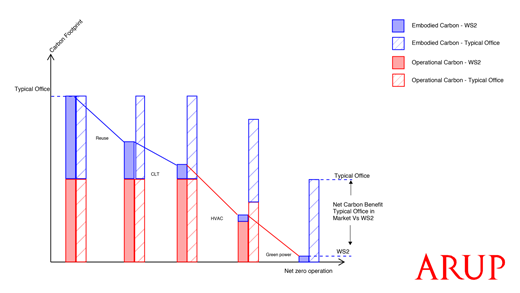
GDIは、パースで最も環境に優しいプレミアムグレードのオフィスビルと呼ぶ建物の開発による環境的および経済的影響の両方を理解するため、広範な調査を実施しました。2022年後半の完成後、WS2はNABERSエネルギー格付けで5つ星、Greenstar格付けで5つ星を誇り、同様のコンクリート/鉄骨造の建物と比較して、建物の耐用年数全体で約50%の炭素削減、建設段階での埋め込み炭素削減が示されます。この削減は、オフセット、建物内の再生可能エネルギーシステム、建設段階での埋め込み炭素の大幅な削減を組み合わせることで実現されます。最終目標は、ネットゼロ運用を達成し、スコープ1およびスコープ2の排出量を削減するとともに、11月10日のプレゼンテーションで同社が述べたように、木造建築は「総NLAベースでより迅速かつ安価に建設できる」ため、より良い経済的成果を達成することです。.


マスティンバー建築とは何ですか?

マスティンバー(Clasc Laminated Timberとも呼ばれる)は、乾燥した木材を複数の層に交互に積み重ね、構造用接着剤で接合し、プレス加工して一枚のパネルを形成したものです。これらのパネルは、耐力壁、床、屋根トラスの高い強度定格を満たすように特別に設計されており、多くの場合、現場で製造されます。こうして製造されたマスティンバーパネルは、コンクリートや鋼鉄よりも大幅に軽量(平均で鋼梁の5分の1)でありながら、より高い強度対重量比を維持しています。.

マス・ティンバー・プロジェクトに関する現行の建築基準は国によって異なりますが、米国とカナダでは最近の法律により、18階建てまでのマス・ティンバー建築物の建設が許可されています。ヨーロッパやオーストラリアの一部地域では、さらに進歩的なマス・ティンバー建築基準が求められており、シドニーでは40階建ての新たなマス・ティンバー建築物が設計中で、2023年に着工が予定されています。.

マスティンバーの建築と環境への利点

環境への影響:

  • コンクリートや鉄鋼の廃棄物とは異なり、マスティンバーは廃棄されると自然な速度で分解されます。. 
  • 1立方メートルのマスティンバーは約1トンのCO2を吸収します。. 
  • 中層ビルにおけるマス ティンバーと鉄筋コンクリートの完全なライフサイクル分析では、マス ティンバーは地球温暖化係数を 26% 削減することが示されました。. 
  • 鉄鋼の代替として大量木材建設を行うと、木材製品1立方メートルあたり1.9トンのCO2排出量が削減される。

引張強度: 木材は、鋼鉄やコンクリートよりも高い強度で自重を支えます。.

耐電気性と耐熱性:標準的な水分レベルまで乾燥すると、電気伝導に対する自然な耐性を示します。強度と寸法は熱による大きな影響を受けないため、完成した建物の安定性を確保します。.

吸音性:優れた音響特性により、リビングやオフィス空間での反響音を最小限に抑えるのに最適です。木材は音を反射したり増幅したりするのではなく、吸収します。.

WS2とマスティンバー建設の経済的実現可能性

GDIの開発責任者であるデイビッド・オッケンデン氏は、マスティンバー建築が迅速な工期と比較的軽量な材料によって同様に大きな経済的メリットをもたらしたと説明しています。具体的には、マスティンバーの引張強度により、WS2ビルでは当初考えられていたよりも大きな建設面積を実現できました。

“「当初、従来のコンクリート構造物を検討し始めたときは2階建てしかできませんでしたが、木造であれば、もっと多くの建物を建てることができ、その地区に再投資して改修することも可能だと検討し始めました。」”

持続可能な資産への需要は、資源採掘で知られるパース市で特に高く、企業はESGへの影響を改善する方法を模索しています。GDIはすでに、建物全体、複数フロア、1フロアの潜在的なテナントから強い賃貸関心を得ており、WS2プロジェクトは圧倒的な賞賛と人気を博していると述べています。完成すれば、WS2ビルはGDIのポートフォリオの旗艦オフィススペースとなり、西オーストラリア州全体での継続的なマス ティンバー開発の基盤となります。上記および最近のマネージングディレクターの最新情報で述べたように、GDIは最近の最新情報で木造建築を使用する予定の他のプロジェクトを特定し、1ミル ストリートとウェリントン駐車場の再開発の機会を模索しています。同社のプレゼンテーションでは、開発承認が申請済みまたは申請中であると述べられています。.

マスティンバープロジェクトへの投資のメリット

チューリッヒ、シンガポール、オースティンにオフィスを構え、上場不動産投資に特化した資産運用会社であるB&I Capitalは、投資プロセスと企業運営全体を通して環境・社会・ガバナンス(ESG)基準の統合に努めています。WS2のようなマス・ティンバー建設プロジェクトは、スコープ1およびスコープ2の排出量を可能な限り削減することで環境フットプリントを最小限に抑えるという当社の目標と合致すると考えています。さらに、木造建築は賃貸可能面積の大幅な増加を可能にし、工期も短いため、より高い経済的リターンをもたらします。建設による炭素排出量の大幅な削減は、WS2のネットゼロ達成のためにグリーン電力やカーボンクレジットを購入する必要性を低減します。GDIへの投資は、環境に優しいプロジェクトを建設するという同社の意欲への支持と、同社が強力な不動産投資として実現可能であるという確信に基づいています。GDIのような企業への投資を通じて、私たちは持続可能な未来の創造に積極的に参加しています。.

Almost three years after the onset of the global pandemic, the retail industry has been through one the biggest stress tests imaginable, but best-in-class real estate has remained robust – and even emerged stronger in some markets.

Cushman & Wakefield’s flagship Main Streets Across the World report tracks the top retail districts across 92 cities and ranks the most expensive by prime rental value. An annual report until 2019, this year’s report is the first since then, allowing insight into comparative performance pre- and post-pandemic.


Rent Growth Highlights

  • Rents across global prime retail destinations declined by 13% on average during the depth of the pandemic but have rebounded to just 6% below pre-pandemic levels.
  • The Americas, thanks largely the to the U.S., was the most resilient region – on average rents now sit at a 15% premium to pre-pandemic levels.
  • In Asia Pacific rents fell on average by 17%, impacted by international border closures, which curbed tourism in prime locations.

Global Rankings

  • New York’s Upper Fifth Avenue moves up one spot to number one, now ranks as the most expensive retail destination in the world.
  • Hong Kong has slipped to second place, with Tsim Sha Tsui overtaking Causeway Bay as the most expensive precinct in the city-state.
  • Via Montenapoleone in Milan has jumped two positions to achieve third place, followed by London’s New Bond Street and The Avenues des Champs Elysees in Paris rounding out the top five.

This quarter, the Knight Frank Data Centre report focuses on the growth markets of Asia Pacific. Market analysis includes Osaka, Melbourne, Jakarta, Manila, Hanoi, Taipei, and Indian cities Hyderabad, New Delhi and Chennai.

The growth trajectory of data centre supply noted in the principal global data centre markets in previous quarters is now being mirrored in secondary cities across the region. Underpinned by strong demand fundamentals and a trend towards greater localisation of data centre facilities, total supply (live, under construction, and committed capacity) in the reported APAC markets has grown from just under 700MW five years ago to over 3,000MW today. For the first three quarters of 2022 alone, around 600MW of new capacity has been added.


Melbourne, Jakarta and Osaka now each have over half a gigawatt of aggregate IT Supply. At 593MW of registered IT supply, Melbourne is seeing renewed interest from local and regional operators such as NextDC, AirTrunk, Vantage and Stack Infrastructure, which will add close to 450MW to existing live supply. Microsoft is also known to be planning a facility here. Jakarta has seen significant announcements and planned capacity, several times the existing supply, from both hyperscale cloud service providers like Amazon and Microsoft, as well as a variety of local and international operators. Osaka continues to develop as an alternative data centre market in Japan complementing the more established Tokyo region.

The major cities of Hyderabad, New Delhi and Chennai are also registering rapid growth, with between 300MW to 400MW of IT capacity each. About two-thirds of this supply was added in the past couple of years, with around 50% of total supply planned or committed capacity. The increased investment in the data centre sector in recent years is party driven by government policy, including easier access to credit and other incentives to boost data centre investment. Active players in the market include local firms such as CtrlS, Sify Technologies, Nxtra by Airtel and Web Werks, joint ventures such as AdaniConnex and BAM Digital Realty, as well as cloud service providers.

In Southeast Asia, Taipei, Manila and Hanoi continue to see growing interest from hyperscale CSPs and data centre investors. AWS announced local zones in both Manila and Hanoi this year and is in the process of rolling them out, while the global firm also launched its local zone in Taipei in October 2022. Current key players in these markets mainly comprise the local telcos, with a handful of regional joint ventures such as STT-Globe in the Philippines and NTT-VNPT in Vietnam.

Overall, the expansion of data centre activity into the growth markets across the APAC region remain on a strong footing, reflecting the continued resilience of demand across each geography.

本レポートは https://app.dcbyte.com/knight-frank-data-centres-report/Q3-2022/

クライメート・ポジティブな活動は、大気中から二酸化炭素(CO2)や温室効果ガス(GHG)の排出量をさらに削減することで、ネットゼロ排出目標の達成だけでなく、それを上回ることを目指しています。つまり、環境への貢献を創出するために、自らの行動によって排出されるGHG排出量よりも多くのGHG排出量を削減することを目指しています。.

クライメート・ポジティブ戦略を策定する際の第一段階は、カーボン・アカウンティング・フレームワークを適用することです。例えば、建築製品メーカーがクライメート・ニュートラルまたはクライメート・ポジティブ製品を開発したい場合、その製品の総カーボンフットプリントを決定する必要があります。カーボンフットプリントは、原材料の調達に必要なエネルギーから、製品の製造、供給、使用、廃棄、そして原材料の調達、製品の製造、使用、廃棄に関連する排出量まで、あらゆるものを網羅します。.

総カーボンフットプリントと、カーボンニュートラルになるために何を相殺する必要があるかが計算されると、たとえば 10% などの追加の測定番号を追加して、気候にプラスになるために必要なものを見積もることができます。.

企業が実際にクライメート・ポジティブを達成する方法はさまざまです。しかし通常は、二酸化炭素排出量の削減、再生可能エネルギーへの移行、現地生産、オフセットへの投資、カーボンクレジットの購入などを組み合わせることで要件を満たします。.


不動産の変革

建物は様々な方法でクライメート・プラス効果を実現できます。簡単に言えば、クライメート・プラスへのステップとは、ネットゼロ達成に向けたステップに加え、建物が排出する温室効果ガス(GHG)よりも多くの温室効果ガス(GHG)を除去するために必要な追加努力(プラスマイル)です。建物の戦略には、以下のステップを組み合わせる必要があります。

ステップ1
選択:最適な建物の場所、設計、エネルギーモデリング、環境に優しい材料、再生可能エネルギー、インテリジェントなエネルギー管理システム

ステップ2
最大化:構造効率、断熱性、温室効果ガス削減システム

ステップ3
最小限に抑える:材料と作業の無駄と水の使用量

ステップ4
メンテナンス:ハードウェアとソフトウェア

ステップ5
再利用: 現在使用中の陳腐化時

In this article, we explore an emerging sub-set of infrastructure which is garnering increasing amounts of interest from global private equity and pension funds – Educational Infrastructure or ‘EduInfra’. EduInfra refers to the infrastructure, building and land used to deliver social services like education.

EduInfra is attractive to international annuity investors looking for stabilized yield plays. The sector has an edge over other similar asset classes due to its non-GDP linked and rather recession proof character with significant potential for capital appreciation. It offers a promising 10 – 11% entry cap rate with rental escalations in the region of 3 – 5%. While the market boasts of significant depth, potential has not been unleashed as operators are only slowly moving towards asset light models.  EduInfra’s classification as infrastructure allows for tax optimal exit through InvITs which can also serve as a growth platform attracting institutional investors.

This was originally published in https://resolutpartners.com/2022/11/15/eduinfra-emergence-of-a-new-asset-class/