APREA 徽标

特色观点

ESG报告已将“净零排放”的讨论从多边组织的殿堂带到了世界各地企业的董事会。过去十年,企业一直在努力改善其ESG记录。在印度,自2023年起,印度证券交易委员会(SEBI)已强制要求市值排名前1000的上市公司提交企业社会责任和可持续发展报告(BRSR披露包括能源、排放、水和废物在内的环境数据。从财政年度开始 2024-2025 ESG披露也适用于市值排名前250的上市实体的价值链,并采用“遵守或解释”的方式。.

大型企业可以着眼于其建筑基础设施和运营中的冷却系统,以提升其在BRSR定义的各项关键绩效指标(KPI)中的ESG表现,这些指标包括水资源和能源消耗、相关温室气体排放、资源循环利用以及其他社会经济参数。在印度,建筑行业(住宅和商业建筑)负责…… 33% 预计占总用电量的 2%,将增加至 55% 到2047年,总发电量需求将达到一定水平。建筑和施工行业也占很大比例。 32% 占全国温室气体排放总量的百分比。占建筑物总能源需求的百分比。, 57% 仅就制冷需求而言。根据国际能源署(IEA)发布的《2023年世界能源展望》,印度经历了 21% 2019年至2022年间,印度空间制冷用电量将有所增长。作为一个发展中国家和快速城市化国家,印度预计这一增长将尤为显著。 1.5-2倍 与2017年相比,2027年建筑施工面积将有所增加,这与热能产生和 城市热岛效应 车辆、家用电器(空调、冰箱等)以及树木覆盖率下降的影响将进一步增加制冷所需的电力需求。.
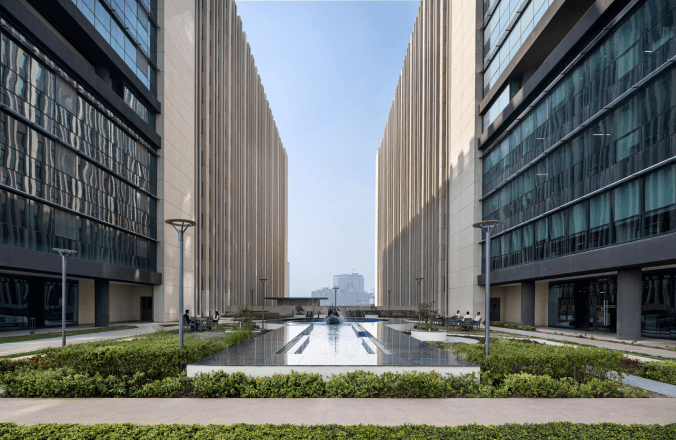
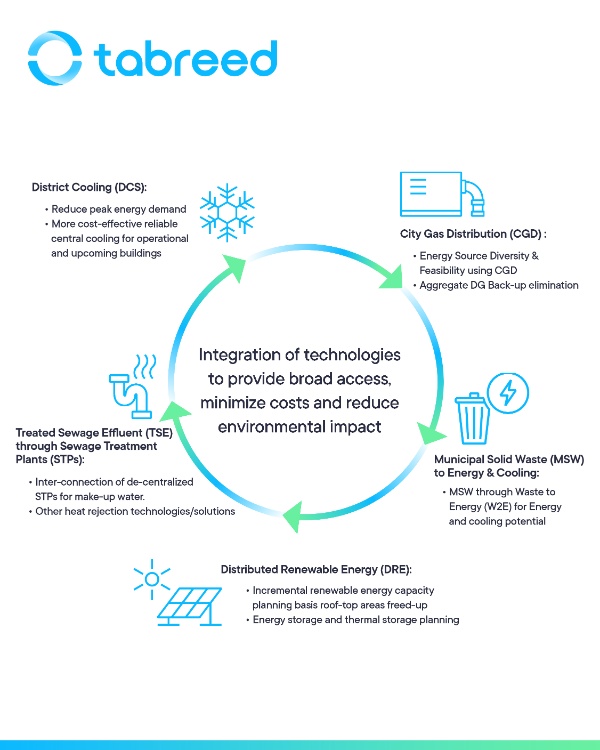
企业,尤其是那些拥有大型园区的企业,一方面有能力采用创新的建筑设计,融入被动式节能措施,从而降低每平方米的前期制冷需求。另一方面,它们也完全有能力采用颠覆性的制冷技术,例如区域供冷/制冷即服务 (CAAS),以可持续的方式满足剩余的制冷需求。Tabreed 通过制冷即服务模式,在其现有项目中已在多项 ESG 指标上取得了成功。例如,在位于哈里亚纳邦古尔格拉姆的 Tata Realty 智能园区,由 Tabreed 设计、建造和运营的制冷系统,每吨制冷量可服务 700 平方英尺的面积,从而实现了 70-90 kWh/m²/年的能源性能指数。.

区域供冷还能提供综合解决方案,帮助企业在能源之外满足环境、社会和治理 (ESG) 要求。例如,区域供冷厂可以利用污水处理厂 (STP) 的中水,这些中水通常直接排放到河流和湖泊中。同样,将区域能源与垃圾焚烧发电厂和城市燃气分配厂相结合,首先可以利用废热进行制冷;其次,降低电网电力需求;第三,在电网故障时,通过建立冗余系统来替代高污染的柴油发电机组 (DG)。从系统角度来看,利用区域能源实现资源效率提升的综合解决方案的可能性是无限的。这为企业提供了一个机会,不仅可以提高可持续性和成本效益,还能真正推动国家能源和资源效率的提升。.


aprea 图标标志

苏迪尔·佩拉

常务董事,, Tabreed Asia
印度区总经理, 塔布里德

Titled “Champion our Ecosystem”, Champion REIT’s Sustainability Report 2023 illustrates a collaborative endeavor that focuses on establishing a value-added network around stakeholders through sustainable performances in line with its 2030 ESG Targets and 2045 Net Zero Commitment.

The report is structured according to local and international regulations and frameworks, including Global Reporting Initiative (GRI) and Task Force on Climate-related Financial Disclosures (TCFD) with independent assurance. In its pursuit of higher standard of information transparency, the report further strengthens its climate-related information in accordance with the International Sustainability Standard Board’s (ISSB’s) IFRS S2 Climate-related Disclosures.

CDL’s Integrated Sustainability Report 2024 is their 17th sustainability report since 2008. Themed “Zero in on Nature”, the digital report communicates CDL’s progress towards their material ESG goals and targets, established under the CDL Future Value 2030 sustainability blueprint. External assurance is key to enhance data credibility and instill confidence in readers. CDL’s external assurance of their sustainability report started in 2009 and has continued to expand. ISR 2023 and ISR 2024’s external assurance has been further elevated in its scope against the GRI Standards, SASB Standards, as well as the TCFD and CDSB frameworks.

This year CDL became the first Singapore company to commit to nature-related disclosures based on the TNFD Recommendations in this report.

可持续发展正迅速成为世界各国政府和企业的优先事项。在制定减排目标的同时,重点领域之一是投资和部署可再生能源,这是实现脱碳和净零排放目标的关键解决方案。.

各行各业的企业都越来越关注可再生能源,无论是为了满足所在地区的适用法规,还是为了利用现有的绿色激励措施。然而,为了有效评估可再生能源解决方案的实施情况,企业首先必须了解其所在地区的可再生能源相关政策、限制和绿色融资政策。如果企业跨国运营,情况会更加复杂,因为每个国家的政策和重点可能有所不同。.

为了帮助企业了解影响可再生能源行业的政策和法律,Rajah & Tann Asia 出版了《东南亚可再生能源指南》,概述了柬埔寨、印度尼西亚、老挝、马来西亚、缅甸、菲律宾、新加坡、泰国和越南的可再生能源现状,Rajah & Tann Asia 的业务范围也覆盖了这些国家。.

本指南概述了企业在实施可再生能源时应注意的各个司法管辖区的主要法律和监管问题,包括监管框架和行业政策、可再生能源计划、政府激励措施以及可再生能源行业的关键问题。.

驾驭复杂局面,推动ESG战略整合,并为组织创造长期价值。

在当今瞬息万变的世界中,可持续性变得尤为重要,尤其是在建筑环境中。据估计,建筑环境占全球碳排放量的 40%,因此,如果我们要将升温幅度限制在 1.5 摄氏度以内,从而在 2050 年前减轻气候变化的最严重影响,那么房地产的快速脱碳至关重要。.

随着企业日益认识到可持续发展和负责任的商业实践的重要性,首席可持续发展官 (CSO) 或可持续发展主管已成为企业内部的关键职位,旨在推动变革、应对复杂局面并释放环境、社会和治理 (ESG) 各维度的真正潜力。该职位本身也是新设立的,世邦魏理仕 (CBRE) 和美国绿色建筑委员会 (USGBC) 最近联合开展的一项调查显示,超过 60% 的受访者表示,该职位是在过去三年内才设立的。.

可持续性——有时与ESG(环境、社会和治理)可以互换使用——涵盖了从气候变化和人权到董事会多元化和公司治理等一系列广泛的议题。快速变化的监管和立法环境、日益增长的报告和合规要求、不断增加的利益相关者压力、气候变化风险的缓解和适应,以及快速的技术变革——所有这些因素共同使得ESG领域变得日益复杂且充满挑战。.

因此,首席可持续发展官(或可持续发展主管)在应对复杂局面、将 ESG 因素纳入组织的整体战略以及确保可持续发展成为决策的组成部分,从而为组织创造持续价值方面发挥着关键作用。.

在亚太地区,随着投资者对可持续投资组合的需求日益增长,以及业主为履行其净零排放和可持续发展承诺而寻求节能健康建筑,首席可持续发展官(CSO)的角色正迅速凸显。随着越来越多的新法规要求企业披露更全面的可持续发展信息,首席可持续发展官的作用变得至关重要,亚太地区的人才争夺战也随之展开。.

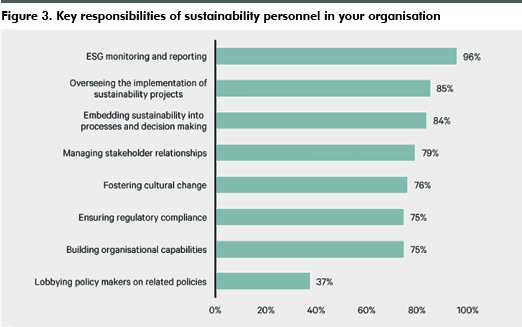
那么,民间社会组织(CSO)的优先关注领域是什么? 在世邦魏理仕和美国绿色建筑委员会最近对亚太地区67位建筑环境首席可持续发展官进行的一项调查中, 受访者表示,他们的职责范围很广,主要职责包括开展 ESG 监测和报告 (96%) 以及实施可持续发展相关项目 (85%)。.

首席战略官(CSO)日益扮演着连接组织与其利益相关者(包括投资者、客户、员工和社区)的桥梁角色,这一点也愈发重要。在组织内部,他们必须与各个部门协作,制定并实施可持续发展举措,寻找创新和效率提升的机会,并构建组织能力。.

84%的受访者(841人)认为管理利益相关者关系和促进文化变革(761人)是其职责的关键要素。他们必须建立并维护透明的沟通渠道,解决内部和外部利益相关者的关切和期望。.

首席战略官们也表达了对未来监管变化以及对气候相关灾害对其投资组合构成的风险认知尚处于起步阶段的担忧。他们承认,要促进可持续发展举措对企业品牌建设、人才吸引和气候风险缓解的长期益处,还有许多工作要做。将可持续发展融入企业运营需要时间、敏锐的商业洞察力、有效的利益相关者管理,以及强烈的变革意愿,并认识到人、地球和企业绩效是相互依存的。.

公民社会组织(CSO)的职责范围很广,包括跟踪ESG项目进展和提高透明度。

为了应对日益严格的可持续发展相关信息披露监管,公民社会组织的主要重点是环境、社会和治理 (ESG) 监测和报告,以及相关项目的实施。.

首席战略官还负责推动企业变革,以促进并配合公司的ESG目标。这包括协助不同业务部门发展ESG能力和责任意识。.

由于许多民间社会组织往往专注于落实企业内部优先事项,因此参与游说政策制定者的相关组织相对较少。然而,鉴于脱碳之路涉及重大的监管变革和政策支持,民间社会组织不应忽视这一领域。.

在世邦魏理仕,我们亲眼见证了清晰的领导和方向所带来的益处。首位首席可持续发展官罗伯·伯纳德 (Rob Bernard) 于去年加入世邦魏理仕,拥有20年可持续发展、商业和科技交叉领域的工作经验,曾担任微软首位首席环境战略官。在他的领导下,可持续发展理念在全球范围内融入我们的业务,从而更好地服务客户,并履行我们自身到2040年实现净零碳排放的承诺。我们致力于化繁为简,通过为客户制定清晰可行的战略,加速其可持续发展进程。我们为各种规模、全球、区域和本地客户提供服务。.

我们已在工具、合作伙伴关系、技术和服务方面投入巨资,以推动大规模变革,并助力行业迈向可持续的未来。同时,我们也认识到,要在建筑环境中倡导可持续发展,我们必须从自身做起,应对与客户面临的相同挑战。.

随着可持续发展理念的日趋成熟,首席战略官(CSO)的角色也将不断演变。那些重视这一角色的组织能够更好地管理风险、降低成本、提高运营效率、与利益相关者互动、促进创新并提升员工敬业度。首席战略官的角色多元化,影响着组织的各个层面,这反映了在向低碳世界转型过程中,为获得竞争优势而必须进行的全面变革。该角色对于创造长期价值、提升品牌声誉以及将组织定位为可持续发展和环境、社会及公司治理(ESG)实践领域的领导者至关重要。.

aprea 图标标志

大卫·福格蒂

新加坡及东南亚可持续发展与ESG咨询服务主管
世邦魏理仕

CBRE Asia Pacific Research and the U.S. Green Building Council have jointly launched the Asia Pacific Real Estate Chief Sustainability Officer Survey, which provides insights from landlords and investors across the region on how they are addressing the ESG imperative, the role of the CSO in achieving their goals, and their companies’ level of preparedness in achieving net zero, as well as any obstacles that are hindering progress.Key findings include: 

  • Having a CSO or Head of ESG is seen as essential: More than 80% of sampled landlords and investors have established designated roles for such functions in Asia Pacific.
  • Asset owners’ net zero target is 20 years later than occupiers: About half of the surveyed asset owners cited 2050 as their target to achieve net zero. However, a separate CBRE ESG survey finds that many multinational occupiers are aiming to reach net zero by 2030.
  • Adoption of green-certified buildings is accelerating: Asset owners will increase the number of green buildings in their portfolios in the coming three years, although availability of green office space lags market demand.
  • Asset owners have widely adopted green finance: 75% of surveyed asset owners have adopted green financing for capital-heavy construction and acquisition of green buildings, with Sustainability-Linked Bonds also proliferating.

本报告最初发表于 https://www.cbre.com/insights/reports/asia-pacific-real-estate-chief-sustainability-officer-survey

In today’s dynamic business landscape, where environmental concerns are at the forefront of global discussions, the Indian real estate sector has embraced a transformative shift towards sustainability. One of the pioneering Indian sectors – real estate is revolutionizing the industry through Grade A ecosystems of green office spaces while contributing to a thriving economy. India is currently ranked third in the world with more than 752 LEED-certified properties after China in Canada, basis USGBC Annual list.

A holistic, sustainability-driven, Grade A ecosystem is fostering business growth across India, through several initiatives:

Setting Industry Standards for Green Office Ecosystems
The real estate industry’s shift towards sustainability is marked by a growing preference for green office spaces that seamlessly blend eco-consciousness with industry-relevant standards. These spaces are designed with a deep consideration for energy efficiency, resource conservation, and reduced carbon footprint. By incorporating advanced technologies and innovative architectural designs, green office spaces not only promote a healthier environment but also set a new benchmark for industry standards, inspiring others to follow suit in creating sustainable workspaces.

Sustainable Practices at the Core
Getting these green standards in place requires collaboration. Real estate professionals, architects, environmental experts, and regulators need to join forces. They will need to establish clear metrics for energy usage, water management, indoor air quality, and all-around sustainability. Certifications offered by esteemed organizations like LEED & IGBC add weight, serving as a seal of approval for genuine green credentials. As the demand for sustainable workplaces surges, these green office space standards are pivotal. Those who construct and use these spaces are shaping a cleaner and greener future.

Preferred Choice for Organizations and Employees
Grade A green office spaces’ success transcends mere adherence to environmental benchmarks; they have evolved into the favoured choice for both organizations and employees. In today’s professional landscape, there is profound esteem for spaces that harmonize with sustainability-oriented principles. Consequently, employee preferences for eco-conscious work environments influence organizational decisions significantly. Abundant greenery, natural illumination, and fresh air collectively exert a positive influence on the overall work milieu, fostering heightened creativity, engagement, and job satisfaction.

Fostering Business Growth
These practices have not only resulted in positive environmental impact but also spurred humungous business growth and aided economic growth. The adoption of sustainable practices has led to the creation of jobs in various sectors, ranging from renewable energy installation to eco-friendly construction materials.

The influx of businesses into these spaces has led to increased foot traffic in areas within these ecosystems, benefiting local businesses such as cafes, restaurants, and retail stores around. The growth of these businesses, in turn, generates employment opportunities and contributes to the overall economic vitality of the region.

In conclusion
On the path to sustainability, the Grade A ecosystems within green office spaces adeptly strike a harmonious equilibrium between modern infrastructure and ecological accountability. However, the influence of these spaces extends beyond environmental preservation. Responsible businesses prioritize eco-friendly and healthy workspaces that align with their values, ensuring sustainable growth in demand for these thoughtfully designed environments.

维诺德·罗希拉

MD & CEO – Commercial Real Estate
K Raheja 公司

During the past years, businesses have experienced a series of once-in-a-generation challenges, forcing them to re-evaluate how they operate.  From COVID-19 to geopolitical instabilities, these challenges have shown that individual events, activities and decisions all have impacts that cascade throughout a value chain, potentially with global consequences.  

The challenges posted by COVID-19 have underscored the true meaning and importance of ‘Business as Mutual’. No man is an island, and no business can act independently. We need to work together in order to thrive. One thing is clear: moving forward, business as usual is obsolete.  We must transition to Business as Mutual. 


What is Business as Mutual?

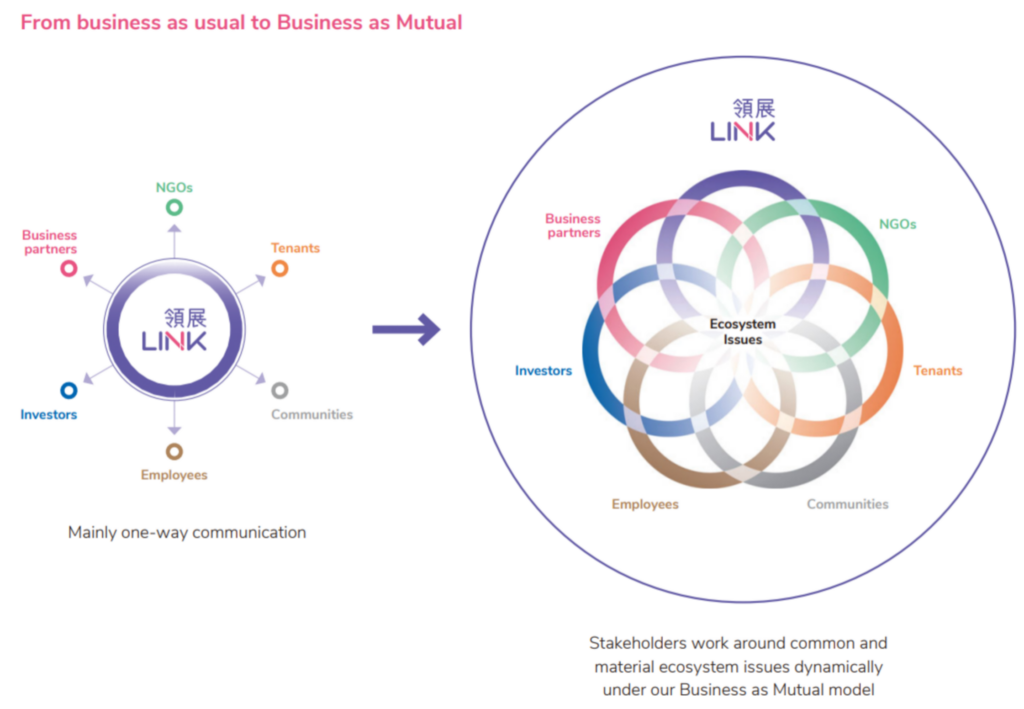
Business as Mutual (BAM) is Link’s future-fit leadership mindset and management tool designed to achieve long-term business sustainability through dynamic engagement with stakeholders. 

BAM positions Link and other stakeholders as an ecosystem, in which all stakeholders coordinate and align efforts to address common material issues instead of Link-centric topics alone.

This approach is critical to maximise value creation and build a resilient ecosystem where our business, stakeholders and the community can work together on common and material ecosystem issues collaboratively. 

Not only is this good for Link but it also contributes to creating ecosystem-wide shared value for all stakeholders, such as better economic performance, environmental resilience and social inclusion.

We apply the BAM approach throughout our business, including our approach to sustainability. For any project we execute or ecosystem issue we try to address, we actively engage with and collaborate with our stakeholders to inform and evolve our thinking and decisions.

Integrating BAM at Link

Over the years, we have implemented BAM in multiple areas of our business to help our stakeholder ecosystem flourish. Below are just a few examples:

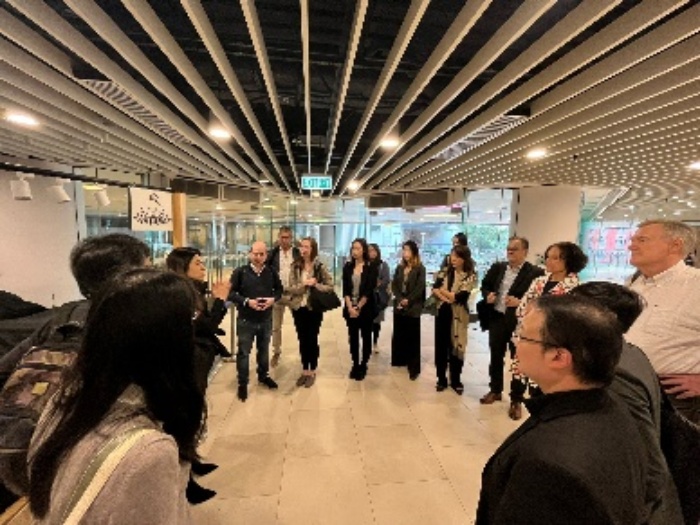
CONNECTION: an annual ESG stakeholder engagement event to share challenges and solutions
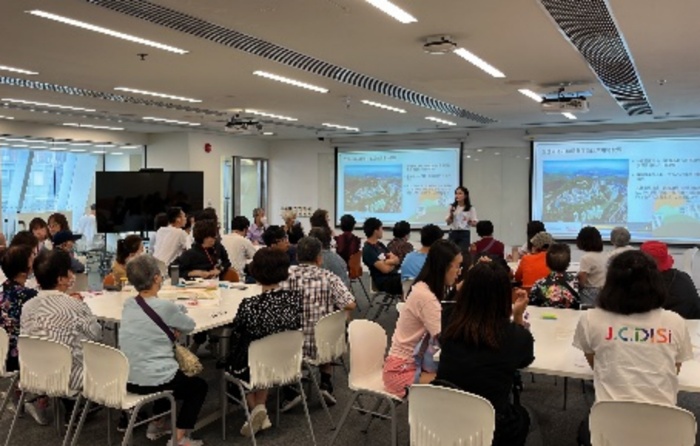
Stakeholder engagement workshops for our new community mall at Anderson Road Quarry
Food Angel’s We Link We Share Programme sponsored as a project under Link Together Initiative

What’s Next?

As risks and opportunities emerge in a “new normal” environment and broader societal expectations shift, we believe BAM will become more essential than ever in helping our stakeholders and partners achieve long-term ecosystem sustainability.

Going forward, Link will continue to evolve the BAM approach, from strengthening internal governance for BAM to developing a range of tools, metrics and methodologies to accelerate the transformation. 

aprea 图标标志

Dr Calvin Lee Kwan

Managing Director – Sustainability and Risk Governance
联营资产管理有限公司

Picture this – despite around 43% of the installed power capacity of India being renewable, coal-based thermal power still contributes to almost 75% of its power generation. However, the country is making rapid strides towards achieving its ambitious goal of meeting 50% of its energy requirements from renewable energy by 2030.

The policy push has been strong, taking cues from which prominent real estate developers have begun to take meaningful steps towards attaining their ESG goals. Renewable energy, more often than not, is the first step towards achieving ESG compliance.

Through CBRE India’s first report on renewable energy, we have tried to answer the below questions and more:

  • What is the current state of renewable energy across India?
  • What are the policy measures that central and state governments are providing to boost the adoption of renewable energy in the country?
  • What are the common challenges that corporate occupiers face in adopting renewable energy and how can they overcome them?
  • What are the different renewable energy options available to corporates and how can they access those?
  • How are leading office developers in India aligned with sustainable power?
  • How can corporates achieve their renewable energy goals?

本报告最初发表于 https://www.cbre.com/insights/reports/sustainable-energy-powering-india-s-offices

It has become clear over the last decade that environmental, social and governance risks are financial risks. What does that look like for the year ahead? The 2024 edition of MSCI’s Sustainability and Climate Trends to Watch (formerly ESG and Climate Trends to Watch) brings together the key questions that our global research team are asking, and offers thoughtful analyses and useful insights to help assess and navigate the investment landscape that lies ahead.

本报告最初发表于 https://www.msci.com/research-and-insights/2024-sustainability-climate-trends-to-watch