APREA 徽标

特色观点

Nature-based solutions (NbS) are actions that work with and enhance natural systems to address climate, social, and economic challenges. They can include on-site measures such as green roofs, rain gardens, and permeable pavements, as well as larger-scale interventions like wetland restoration, mangrove rehabilitation, and urban forests. NbS can deliver multiple benefits like improving resilience against the effects of climate change, enhancing biodiversity, and providing people with green space, delivering positive impacts to well-being. In Asia Pacific, where rapid urbanisation and climate risk converge, NbS are vital for future-proofing real assets whilst delivering positive environmental and social outcomes.

The real assets sector is deeply dependent on stable, functioning natural systems for clean water, and climate regulation. As the effects of climate change increase in frequency and intensity, this dependency translates into material risks: flooding, landslides, drought, heat stress, and ecosystem degradation that directly degrade asset performance and value.

NbS are increasingly recognised across ASEAN as a cost-effective response to climate change, offering both mitigation and adaptation benefits.

At the site level, urban NbS can provide measurable benefits. Green roofs and living walls lower energy demand by insulating buildings and reducing the urban heat island effect. Rain gardens and bioswales improve stormwater management, cutting flood risk and lowering maintenance costs. For example, constructed wetlands and rooftop farms in Bangkok have proven to reduce runoff by up to 85% while lowering surface temperatures by several degrees. Such measures not only reduce operational costs but also help properties meet tightening building codes and ESG requirements, unlocking access to green finance.

Beyond individual assets, landscape-scale NbS are crucial for long-term resilience, and there are some prime examples already across the region. Restoring mangroves along coastlines in Vietnam and the Philippines provides natural flood protection while supporting local livelihoods. Similarly, wetland restoration around Manila Bay delivers flood protection valued at more than 30 times the annual investment cost. These ecosystem-level interventions safeguard entire catchments and urban regions, indirectly protecting the value and viability of real assets across the APAC region.

Importantly, evidence from within the real asset market shows us that NbS integration creates tangible financial upside. Buildings with strong green credentials and nature access consistently command rental and sales premiums of 5–10%, higher occupancy rates, and better resilience against insurance cost increases. In a region where climate risk threatens to turn non-resilient properties into stranded assets, NbS are emerging as both a defensive strategy and a driver of competitive advantage.

To begin integrating NbS, asset owners should take a phased, practical approach:

  1. Build the business case – Assess site-specific climate and nature-related risks and quantify opportunities for operational savings, asset value enhancement, and financing access.
  2. Engage Cross-Functional Teams – Maximise feasibility by ensuring buy-in from across the organisation—including finance, engineering, and operations—from the very beginning of the business case.
  3. Start small and with curiosity – Pilot on-site solutions such as modular rain gardens, vertical greening, or rooftop vegetation. These low-cost interventions provide proof of concept and momentum for scaling.
  4. Collaborate for impact – Partner with governments, NGOs, and academic institutions to co-design projects, access technical expertise, and align with regulatory incentives.
  5. Design for multiple benefits – Prioritise multifunctional NbS that deliver cooling, flood management, biodiversity, and community value within limited urban space.
  6. Measure Success – To capture the full value of NbS projects, be prepared to measure success beyond traditional metrics, by utilising both qualitative and quantitative tools. 

Nature-based solutions are no longer optional enhancements; they are central to the resilience, performance, and long-term profitability of real assets in Asia Pacific. From small on-site designs to landscape-level ecological restoration, NbS offer a cost-effective path to align real estate portfolios with climate imperatives, regulatory shifts, and investor expectations. Real asset owners who act now will not only protect against mounting climate risks but also position themselves at the forefront of a nature-positive, future-ready economy.

For more information, check out APREA’s “Nature-Based Solutions Playbook for Real Assets in Asia Pacific” a comprehensive guide detailing the business case and strategic frameworks for embedding NbS to unlock long-term value and enhance resilience for the real assets industry.
Authors of the article:


作者:伯尼·德瓦恩,Yardi亚太区高级区域总监

去年,人工智能从媒体热议走向了实际应用,房地产行业对技术的态度也随之转变。但这种发展势头能否转化为成熟?Yardi 的年度房地产科技调查将追踪该行业的发展程度和速度。.

六年来,Yardi 一直对亚太地区房地产行业的领导者进行技术应用调查——而我们的调查结果证实了大家早已知晓的事实:房地产行业在技术应用方面落后于其他行业,而非领先。.

出人意料的转折?去年房地产市场发生了变化。. 

到2024年,亚洲有261家企业、澳大利亚有271家企业、新西兰有351家企业开始部署人工智能系统。诚然,只有12-161家企业的解决方案发展成熟且持续增长。而且,部署并不等同于整合。但这毕竟是一个开始。.

所以,今年我们关注的是测试与实际应用之间的差距。不仅要关注谁在使用人工智能,还要关注谁从中获得了价值以及如何获得价值。.

蓝色背景搭配白色文本AI生成的内容可能不正确。.

来源:Yardi,2024 年。.

人工智能在组织架构图中步步高升

2024年,我们让AI帮我们撰写电子邮件。2025年,我们将让具有自主性的AI来管理我们的日程安排、分配任务并督促我们按时完成工作。.

想象一下这样的数字化组织架构图:智能体被分配任务,向其他智能体汇报工作,并与人类同事互动。这些智能体不仅仅是协助者,他们还会执行任务、向上级汇报并不断学习。. 

我们已经开始看到一些早期案例应用于房地产领域。例如,经纪人可以对维修请求进行分类、管理租赁流程或实时更新记录。.

这种编排需要能够流畅地进行人工智能交互的软件,因此我们的调查提出了以下问题:谁准备让这些代理投入使用?

机器人来了(双方都是如此)

如果说人工智能是引领变革的前线力量,那么网络安全就是幕后的战斗。尽管如此,我们2024年的调查发现,整个行业准备不足:亚洲有33%家企业、澳大利亚有37%家企业、新西兰有53%家企业已经遭遇过网络安全事件或数据泄露。.

人工智能如今已落入攻击者之手。深度伪造技术越来越难以识别。网络钓鱼手段也日趋复杂。而传统的防火墙并非为应对人工智能生成的代码而设计。.

房地产行业正在迎头赶上,虽然速度缓慢。我们已经观察到,对审计和培训的投资正在不断增加。但这不能一蹴而就,也不能仅仅是技术团队的责任。.

今年我们想知道:您的网络安全战略是否随着威胁形势的变化而快速发展?

蓝白条形图中的AI生成内容可能不正确。.

来源:Yardi,2024 年。.

房地产市场迎来新变化

在科技应用竞赛中,房地产行业一直以来都是起跑线上最慢的行业。但这种情况或许会改变。我们2024年的数据显示,他们对变革的抵触情绪有所降低,尝试的意愿也更强了。. 

但现在,首席信息官们正面临着来自同事和高管的一系列新问题:“我们能用人工智能来解决这个问题吗?” 这的确是个合理的问题,但往往却问错了方向。它暴露出一种根深蒂固的观念:技术只是锦上添花。 事实,而不是建立业务的手段。

我们关注的不仅仅是用户采纳率。我们想知道:是什么因素真正产生了影响?

接下来该你了

2025 年 Yardi 房地产科技调查现已在亚洲地区启动,澳大利亚和新西兰的调查也将很快上线。我们希望了解过去一年发生了哪些变化,以及您未来的规划。.

您的真知灼见有助于行业衡量发展成果、挑战固有观念并明确共同目标。工具本身并不能带来实际成效——真正起作用的是智能系统、智能策略和共享学习。.

有兴趣参与吗?

联系 Nina.Feldman@yardi.com 

GARBE在汉堡开发的ROOTS项目,作为德国最高的木结构混合高层建筑,树立了可持续城市设计的新标杆。这座位于汉堡港口新城(HafenCity)的19层建筑,预计于2024年第一季度竣工,它将预制木材与混凝土核心筒相结合,在结构安全、材料效率和碳减排之间实现了平衡。ROOTS项目采用混合用途设计,并创新性地运用天然材料,为高密度、低碳生活提供了蓝图,也体现了木材在可持续建筑中日益重要的作用。.

The BOMA BEST 2024 Buildings Report reflects a year of transformation and progress within the commercial real estate sector, driven by a commitment to innovation, sustainability, and creating better spaces for people to live, work, and play.

As BOMA BEST continues its focus on elevating building performance, empowering properties to embrace smart technologies and sustainable strategies that prioritize health, efficiency, and community wellbeing. This report highlights a simple truth: buildings are about people—designed, maintained, and operated by them—and our mission remains to equip those individuals with the knowledge and tools they need to succeed.

As sustainability becomes a key pillar of long-term value creation in real estate, CapitaLand Investment (CLI) has developed a proprietary Return on Sustainability (RoS) framework to rigorously assess the financial impact of green capital expenditure.

Designed as a data-driven, decision-making tool, the RoS framework evaluates eight key variables that influence financial performance: green capital expenditure (capex), utility savings, carbon cost reductions, rental premiums, longer leasing durations, lower interest rates, reduced insurance premiums, and enhanced asset valuations. By quantifying both risks and returns, this model equips asset managers with a holistic view of the tangible value that sustainability initiatives can unlock.

More than a reporting metric, the RoS framework serves as a capital allocation compass – guiding decisions on investment, asset-level budgets, cost-benefit analysis for asset enhancement initiatives or redevelopments. In an environment where regulatory standards, investor expectations, and climate resilience are evolving rapidly, having a structured methodology to assess the financial case for sustainable investments is not just prudent – it is essential. CLI’s RoS framework bridges the gap between environmental responsibility and financial accountability, ensuring that decisions around sustainability are grounded in both environmental intent and financial discipline.

This article is an excerpt from the the white paper “Sustainability-Linked Insurance: Rewarding Climate Risk Adaptation” co-published by Link Asset Management, AXA and Marsh.

For decades, the real estate industry has viewed insurance as a necessary cost of doing business — a safeguard against unforeseen risks, but rarely a tool for creating value.

That paradigm is shifting.

Link Asset Management (Link) has introduced how real estate climate resilience efforts can be linked with insurance terms — a model that doesn’t just provide protection but actively rewards investment in climate adaptation measures.

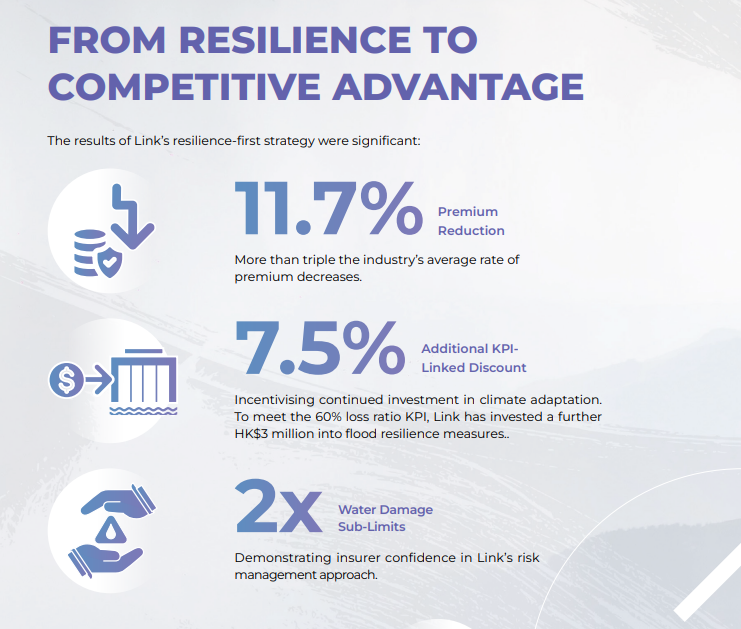
By quantifying climate risk and making targeted resilience investments, Link, through its insurance broker Marsh Hong Kong, secured an 11.7% reduction in property insurance premiums — significantly outperforming the industry’s ~3% average. Even more importantly, Link negotiated an additional 7.5% premium reduction tied to its loss ratio, creating a direct financial incentive to continue investing in long-term climate preparedness.

This case study isn’t just about one company’s success. Rather, it highlights a fundamental shift and real-time opportunity for real estate firms — and insurers — to align incentives and build climate resilience.

  1. As a reminder – that extreme weather events are already becoming more severe under climate change, leading to significant financial losses
  2. As a showcase – of proactive climate risk adaptation measures
  3. As a call to action – to leverage the mutually beneficial relationship between asset managers and insurers for building climate resilience

From Risk Awareness to Resilience in Action

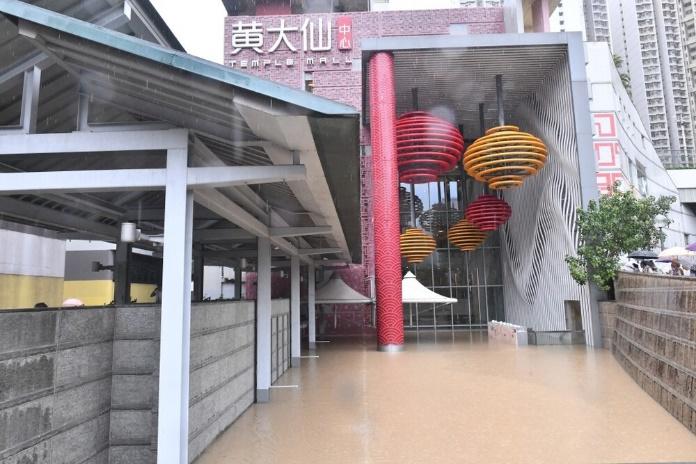
Extreme weather events are no longer an anomaly — they are an operational reality. In September 2023, Hong Kong experienced a “double whammy” of Super Typhoon Saola and record-breaking black rainstorms, causing widespread property damage. The conventional response across the real estate industry was reactive: filing claims, absorbing losses, and bracing for inevitable premium hikes.

Link chose a different approach. Rather than treating resilience as a cost, it saw an opportunity for investment — one that could be quantified, optimised, and ultimately rewarded.

Link reframed its relationship with insurers from a transactional one to a partnership in risk management:

  • Worked with Marsh Hong Kong to embed resilience efforts into a resilience-focused insurance roadshow, bringing 22 insurers into early discussions.
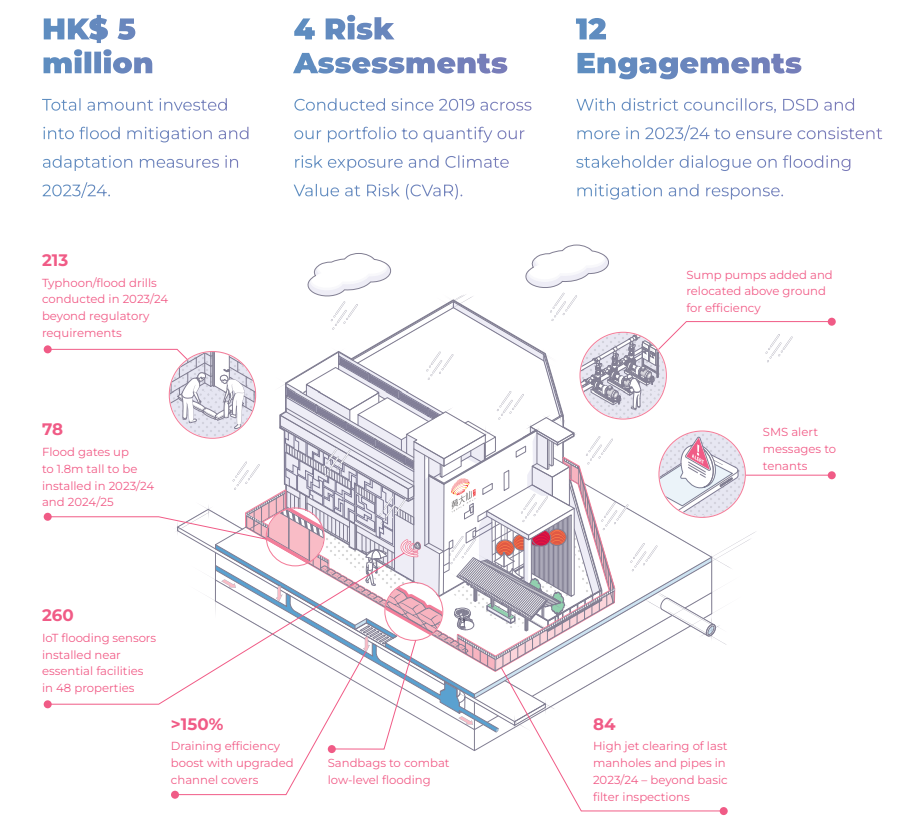
  • Presented quantifiable evidence of risk reduction, showcasing Link’s HK$5 million investment into flood resilience measures.
  • Collaborated with AXA on a Sustainability-Linked Insurance Proof-of-Concept, demonstrating how Link’s flood resilience measures could lower potential losses by 10- 20%.
  • Negotiated performance-linked premium reductions, securing additional cost savings contingent on a low loss ratio and incentivising continued investment in resilience.

By integrating risk identification, targeted mitigation, and transparent insurer engagement, Link transformed resilience from a defensive measure into a financial advantage.

The Resilience Framework: Six Pillars of Climate Adaptation

Building a resilience-linked insurance model requires a structured, data-backed approach. Link’s framework consists of six interconnected pillars:

  1. Comprehensive Climate Risk Assessments
  2. Asset-Level Resilience Enhancements
  3.  Standardised Emergency Protocols
  4. Preventive Maintenance and Drainage Optimisation
  5. Proactive Stakeholder Coordination
  6.  Rapid Recovery and Business Continuity Planning

Each of these pillars feeds into Link’s resilience-linked insurance structure, ensuring measurable risk reduction, operational stability, and long-term financial savings.

From Resilience to Competitive Advantage

The results of Link’s resilience-first strategy were significant:

By embedding climate resilience into its operational and financial strategy, Link has proven that climate adaptation isn’t just a defensive measure — it’s a value driver.

“We welcome the efforts made by Link REIT to make their assets more resilient and sustainable, and are pleased to show our support through promising insurance capacity and T&Cs. Extreme weather and climate risk are real issues for real estate and best tackled when all stakeholders work together.

– Quoted by one insurer on an anonymous basis

What’s next?

  • For Real Estate Leaders: How can you integrate data-driven resilience into your portfolio strategy?
  • For Insurers: How can underwriting models evolve to incentivise proactive climate adaptation?
  • For Investors: How does climate resilience factor into long-term asset valuation?

Real estate is at a crossroads. Rising climate risks will continue to challenge traditional insurance models, but Link’s resilience-linked insurance structure offers a replicable blueprint for other asset owners.

The shift from reactive insurance to proactive risk management has begun — who will follow?

Addressing Scope 3 emissions has become increasingly vital in real estate, driven by rising expectations from investors, regulators, and stakeholders for meaningful climate action. According to the World Green Building Council, buildings account for around 39% of global energy-related carbon emissions. Of this total, around 11% is attributed specifically to embodied carbon emissions, which arise from materials and construction. With the building operational efficiencies continuously to be improved and electricity grids to be decarbonised, embodied carbon emissions represent a progressively larger proportion of total emissions. Hongkong Land has a long history of enhancing energy efficiency and reinvesting in existing assets, Scope 3 emissions represent nearly 90% of our total emissions. As a developer and owner of buildings, prioritise initiatives to address embodied carbon measurement, monitoring and reduction along the supply chains is crucial.

Hongkong Land’s Commitment to Scope 3 Emissions Reduction

Our 1.5°C aligned near-term science-based targets is to reduce 22% carbon intensity for Scope 3 greenhouse gas emissions by 2030. As the first Hong Kong-based developer to create bespoke embodied carbon assessment tools. These tools adopt a supplier-based approach to estimating emissions and provide a level of granularity. Hongkong Land integrates these across project design, tendering, and construction. The company actively collaborates with industry partners to standardise procurement guidelines, focusing specifically on five key construction materials: cement, concrete, façade, rebar, and structural steel.

Case Sharing on New Development in Shanghai

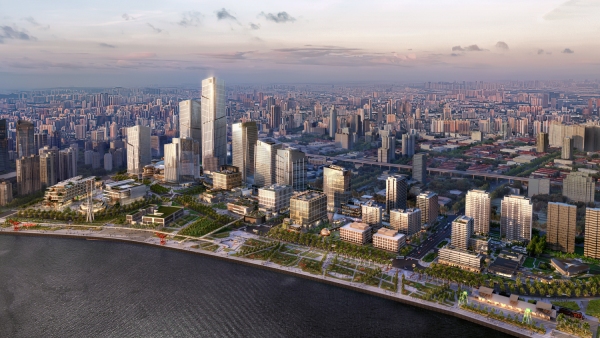
Hongkong Land’s Westbund Central is the Group’s largest-ever single investment, it is an US$8 billion development encompassing approximately 1.1 million sq. m. of prime mixed-use property strategically located at Shanghai’s Xuhui Waterfront. Westbund Central demonstrates Hongkong Land’s proactive and strategic approach to embodied carbon management. Utilising our bespoke embodied carbon assessment tools, the project team systematically measures the embodied carbon intensity associated with the development. The team closely reviews construction materials and actively pursues opportunities to minimise embodied carbon through targeted optimisation efforts. By applying detailed schematic design analyses and structural material optimization techniques, the project has already achieved significant reductions. Specifically, these optimisation strategies have resulted in a achieving a 16% overall carbon reduction in structural steel and a 7% in concrete.

Westbund Central, China

Case Sharing on Transformation of LANDMARK in Hong Kong

Hongkong Land’s Tomorrow’s CENTRAL project, a plan to invest over US$400 million by expanding and upgrading its LANDMARK retail portfolio over a three-year period, has established an ambitious target to divert at least 75% of total construction waste by weight from landfills. Before commencing refurbishment works, we conducted a comprehensive pre-refurbishment audit, systematically assessing and analysing the waste likely to be produced from demolition activities. The audit provided a clear, quantitative overview of anticipated waste streams and identified actionable opportunities for reclaiming, reusing, and recycling materials, guiding contractors to maximise resource recovery and circularity.

We identified 15 major construction materials and products including concrete, glass, wood, metal, and others for prioritised reuse, circular recycling, and diversion from landfills. By integrating circular economy principles, the project reduces demand for new raw materials, diminishes waste disposal volumes, and significantly lowers embodied carbon emissions associated with material extraction, manufacturing, transportation, and disposal.

LANDMARK ATRIUM, Hong Kong

结论

Through these targeted initiatives and strategic actions ranging from bespoke embodied carbon assessment tools and structural design optimisation at West Bund, to comprehensive pre-refurbishment audits and circular material reuse strategies in Tomorrow’s CENTRAL. Hongkong Land demonstrates a robust and proactive approach to reducing embodied carbon emissions. We will continue to make significant strides towards sustainability targets 2030.

全球房地产行业面临着越来越大的脱碳压力,其排放量占全球总排放量的近40%。 (1). 随着2050年净零排放目标的快速临近,投资者和资产管理公司必须紧急调整自身以适应不断发展的ESG标准,否则就有落后的风险。.

欧洲:监管领导力和标准化

欧洲凭借严格的监管框架,在ESG(环境、社会和治理)整合方面处于领先地位。欧盟可持续活动分类法 (2) 为环境可持续投资提供清晰的分类体系,引导资本配置至绿色房地产。此外,全球房地产可持续发展基准(GRESB) (3)ESG(环境、社会和治理)绩效衡量工具最初在欧洲开发,如今已成为被广泛接受的绩效衡量工具,影响着全球的投资决策。.

GRESB的影响力已超越欧洲,尤其是在亚太地区。GRESB与ANREV联合开展的一项研究发现,GRESB评分越高,财务业绩越强劲。这促使亚太地区的投资者和开发商将可持续发展基准纳入资产管理,从而加强ESG信息披露和合规性。.

美国:市场驱动的ESG采纳

与欧洲以监管为先的模式不同,美国房地产行业受市场激励和投资者需求驱动。《2022年通货膨胀抑制法案》旨在促进建筑节能和可再生能源的采用,而各大城市也纷纷出台了严格的地方性政策。例如,纽约市第97号地方法律。 (4) 规定到 2030 年建筑物排放量必须减少 40%,不遵守者将受到严重的经济处罚。.

除了监管之外,贝莱德和布鲁克菲尔德等大型机构投资者已将ESG原则融入房地产投资组合策略。租户越来越愿意为节能空间支付溢价,这进一步凸显了市场驱动的向可持续发展的转变。.

亚洲:发达市场与新兴市场采取多元化战略

亚洲房地产行业的ESG趋势因地区而异。中国正着力推进大规模可持续城市发展,以实现其2060年碳中和目标。日本和韩国则利用智能电网技术和人工智能驱动的能源管理来提高能源效率并追踪排放。.

在经济仍在发展中的东南亚地区,国际金融支持在加速可持续发展方面发挥着至关重要的作用。例如,新加坡的绿色认证建筑数量迅速增长,投资者正将资产配置得符合气候相关财务信息披露工作组(TCFD)的要求。 (5) 以及基于科学的目标(SBTi) (6) 提出提高透明度和全球合规性的建议。.

全球向可持续房地产转型

尽管存在地域差异,但房地产领域的ESG整合正成为全球必然趋势。投资者、开发商和资产管理公司必须应对不断变化的标准,同时确保物业在日益注重可持续发展的市场中保持竞争力。.

为了保持领先地位,房地产行业的领导者必须积极主动:

  • 开展能源审计和能效提升改造
  • 投资于建筑改造和可再生能源并网
  • 使资产与全球公认的ESG基准保持一致

随着房地产行业迈向净零排放的未来,那些拥抱可持续发展的企业将能够保护长期资产价值并巩固其市场地位。从区域性方法向全球一体化的ESG战略转变已经开始——现在正是采取果断行动的时候。.

参考:

  1. 1. 国际能源署(IEA)。(2022)。建筑部门能源消耗和排放。检索自: https://www.iea.org/topics/buildings
  2. 欧盟委员会。(2022)。欧盟可持续活动分类。检索自: https://finance.ec.europa.eu/sustainable-finance/tools-and-standards/eu-taxonomy-sustainable-activities_en
  3. GRESB。(2023)。ANREV-GRESB关于亚太地区ESG与财务绩效的联合研究。检索自: https://www.gresb.com/nl-en/anrev-gresb-on-the-influence-of-esg-performance
  4. 纽约市长可持续发展办公室。(2019)。2019 年第 97 号地方法律。检索自: https://www.nyc.gov/site/sustainablebuildings/ll97.page
  5. 气候相关财务信息披露工作组(TCFD)。(2023)。关于TCFD。检索自: https://www.fsb-tcfd.org/about
  6. 科学碳目标倡议(SBTi)。(2023)。关于我们。检索自: https://sciencebasedtargets.org/about-us
Kemmu Kawai
常务董事
长寿伙伴

资产的复兴和重建不仅仅是对物业硬件设施的简单翻新,它还可以成为提升整个区域可持续性、社区参与度和文化融合度的契机。一位富有远见的资产管理者还可以借此机会重塑品牌形象,并通过为访客带来全新的体验来提升其服务价值。.

位于新加坡河畔,地处市中心,克拉码头 (CQ) 近期焕然一新,充满活力,为本地居民和游客提供丰富多彩的零售和生活体验。这里日夜皆宜,历史韵味与现代设施完美融合,营造出独具一格的氛围。.

鲜为人知的是,该建筑的重建过程中融入了可持续发展理念,这些理念不仅对环境产生了积极影响,而且还提高了社区的健康和舒适度。.

近期翻新工程中约有34%用于提升运营效率和融入可持续建筑特性。得益于这些改进,CQ的绿色建筑评级已从新加坡建设局(BCA)颁发的“绿色建筑标志认证”提升至“绿色建筑标志金牌PLUS”。.

现有的天使顶棚升级为先进的乙烯四氟乙烯(ETFE)膜,以提高热舒适性。.

尽管采用自然通风,但由于升级后的天使天篷采用了先进的乙烯-四氟乙烯共聚物(ETFE)膜,游客仍可在CQ的内部街道上舒适漫步。这些天篷优化了日光引入,同时减少了70%的太阳辐射热量。此外,还安装了新型全方位风扇,通过蒸发式雾化冷却将环境温度降低约2°C,与标准风扇相比,能耗降低约50%。CQ的物业管理系统也得到了提升,包括对建筑冷水机组进行升级,使其系统能效达到0.60kW/RT。.

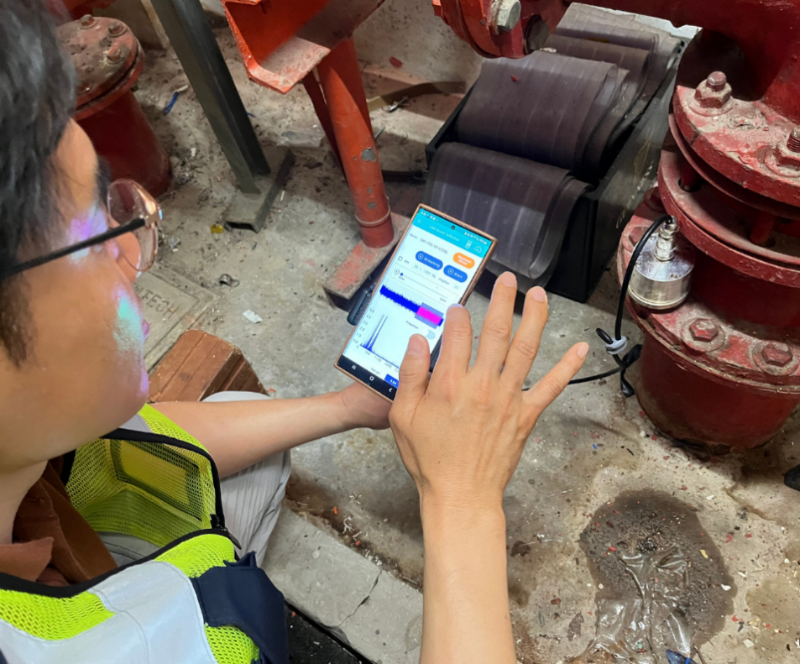
WI.Plat 技术能够利用物联网传感器识别管道泄漏。.

在改造过程中,团队借此机会发现了其他需要进行的整改工作,包括检测管道泄漏以防止漏水和财产损失。但由于历史建筑下方地下管道网络庞大,这项工作十分复杂棘手。凯德集团可持续发展X挑战赛的创新成果WI.Plat发挥了关键作用。这项来自韩国的高精度声学物联网传感器技术,结合机器学习算法,能够识别出原本难以定位的地下管道泄漏点。.

由叶耀聪和tobyato创作的壁画作品,位于B座仓库前

许多到访克拉码头的游客可能并不了解其丰富的文化和历史遗产,包括它作为重要的转运区和贸易通道的过往历史。当时,来自“通岗”和“拖船”(历史上的货船)的货物会沿着河岸由人工卸货。七座仓库经过修复,保留了其原有的货仓结构,并焕然一新。传统的斜屋顶得以重建,并加装了玻璃天窗,引入自然光线。仓库外墙上绘有当地艺术家叶耀宗和tobyato创作的壁画,灵感源自克拉码头作为潮州聚居地的历史。里德桥的桥台增设了兼作座椅的升级台阶,以此致敬这座桥作为公共空间的历史作用。此外,一条新的无障碍坡道也与之相得益彰,坡道的木材取自最后两艘拖船的回收木材。此外,该区域内战略性地设置了文物展板和铜板,讲述了新加坡河和克拉码头地区的迷人历史,为游客探索该地区丰富的历史遗产提供了教育元素。.

克拉码头也增添了许多现代化的精彩商品和全新的零售理念。Fairprice Finest Clarke Quay 与新加坡本土合作伙伴携手,提供精选商品;其美食广场提供“自选食材,我们烹饪”服务,以及融合本地风味的特色鸡尾酒。Swee Lee Clarke Quay 则坐落于一个约 60% 的改造仓库内,打造了一个集体验式社区空间和宠物友好设施于一体的场所。.

随着 ESG 在实物资产中的应用不断加快,确定合适的技术仍然是一项复杂的挑战。没有放之四海而皆准的方法,ESG 工具必须与公司的投资组合、投资战略和数据成熟度相匹配。在 APREA 新加坡会议上,行业专家强调了对灵活、价值驱动型解决方案的需求。.

SC Capital Partners 是一家私募股权房地产公司,在亚太地区管理着 60 多处不同类别的资产,对于 SC Capital Partners 这样的公司来说,ESG 战略的灵活性和务实性至关重要。与具有长期投资视野的传统开发商不同,SC Capital Partner 采用的是机会主义投资战略,即持有期不同,资产可能会根据市场动态提前剥离。SC Capital Partners 董事兼可持续发展部主管 Miak Ou 表示,这种多变性使得成本高昂的刚性数字工具变得不切实际。.

“技术必须与公司的环境、社会和公司治理成熟度、投资组合战略和数据准备情况相一致,”Ou 说。“适用于长期核心资产的技术不一定适用于持有期短且不可预测的机会型投资。”

与趋势相比,企业应优先采用价值驱动型系统。例如,SC Capital Partners 目前使用的是与顾问共同开发的基于 Excel 的结构化系统,因为它灵活、经济高效,而且与当前的工作流程集成良好。该公司没有投资专有工具,而是与运营商现有的数字平台整合,以降低实施风险,加快采用速度。.

优势不在于工具本身,而在于衡量、分析和应用数据的能力,从而做出更好的投资决策。Ou 指出,虽然数字工具能提升租户和客人的体验,但智能建筑技术对共同生活、学生住宿和自助存储等行业的影响尤为显著,因为它们能提高运营效率。在酒店业,移动签到和智能客房控制等创新技术优先考虑个性化,而不是完全自动化。.

在小组成员中,城市发展有限公司(CDL)首席可持续发展官 Esther An 强调了建筑环境对实现零碳净未来的重要性。她分享了 CDL 如何利用绿色建筑和节能技术与实践来降低运营成本,同时又不影响用户的生产力和舒适度。她指出,不断上涨的碳税和电网价格将要求企业进行更深入、更广泛的可持续发展整合与创新。她说,数字工具是改进环境、社会和公司治理数据整理、分析和报告的关键,以满足监管机构、投资者和金融家不断提高的期望。.

“An 说:”应用人工智能来改善业务运营绝对是毋庸置疑的。“关键是如何高效地部署人工智能,以达到预期效果?在过去 10 年中,由于有效应用了节能技术和实践,我们平均每年节省 $3 到 $4 百万美元。人工智能驱动的设施管理平台帮助我们通过减少照明、空调和未充分利用空间的人力部署来优化资源利用。她指出,这种方法延伸到停车场和大型基础设施,降低了成本,提高了运营效率。温度和电网价格将持续上升,应用人工智能和技术来提高性能将成为企业面向未来的关键。.

社会支柱:日益成为 ESG 的焦点

虽然治理和环境问题往往是 ESG 讨论的重点,但涵盖多样性、福利和社区参与的社会支柱却较少受到关注。然而,以人为本的房地产需求正在不断增长,尤其是在学生公寓和老年公寓领域。投资者和租户越来越重视包容性、心理健康和社会影响。.

吉宝有限公司可持续发展(房地产)主管兼 ESG 战略(基金管理)总监 Tan Szue Hann 表示:"房地产领导者必须将社会影响纳入 ESG 战略,以提高社区福祉。吉宝海湾大厦是新加坡首座零净耗办公楼,它通过高效的空气处理、智能照明、改善空气质量和租户参与,提高了可持续性和长期租用率。.

“吉宝不会因为需要就采用一种新工具或新技术,它必须有一定的效率,还必须能创造一定的价值,”Tan 说,"吉宝不会因为需要就采用一种新工具或新技术,它必须有一定的效率,还必须能创造一定的价值,"Tan 说。.

建筑设计和改造的可持续性

环境责任是 ESG 的关键,但真正的影响需要超越合规。企业必须在法规与绿色认证、碳减排和节能改造等积极措施之间取得平衡。.

碳捕获和基于自然的解决方案方面的研究和开发突出了技术驱动方法的必要性,An 强调说。由于天气炎热、土地稀缺和可再生能源选择有限,新加坡尤其面临着独特的可持续发展挑战。不断上升的温度和制冷需求需要节能解决方案,例如在安装空调的同时增加风扇以改善通风,以及采用具有制冷和净化效果的涂料。.

她主张,基于自然的解决方案将是未来的发展方向,因为不解决自然危机,就无法解决气候危机。.

Tan 以首尔的 INNO88 大厦为例,将其作为可持续性驱动改造的典范。新的城市法规要求拆除三层楼,但我们有意识地决定保留大楼的大部分结构,从而使改造后的大楼减少了 3 万吨内含碳,同时将运营能耗降低了 30%,每年可节省 100 万新元。升级改造还提高了大楼的估值,吸引了投资者。.

SC Capital Partners 在其 SC Zeus 平台下的所有数据中心开发项目中应用建筑信息模型 (BIM),Ou 指出。BIM 对于优化能源使用和减少浪费至关重要,而这两点对于数据中心等能源密集型资产来说都很关键。虽然亚洲(包括日本和韩国)对 BIM 的采用仍不均衡,但该公司已将 BIM 作为一项基准要求,以便从第一天起就支持更强的 ESG 和运营成果。文物法规要求拆除三层楼,改造后保留了 4 万吨内含碳,减少了 30% 的能耗,每年可节省 100 万新元。升级改造还提高了大楼的估值,吸引了投资者。.

房地产行业 ESG 的未来取决于如何平衡治理、社会影响和可持续性。技术推动效率和合规性,但真正的价值来自于将数据转化为行动。随着行业的发展,环境、社会和公司治理必须走在前列--确保盈利能力、抗风险能力以及为子孙后代创造一个更健康的地球。.