与亚洲基础设施公司 (Infrastructure Asia) 的 Seth Tan 就基础设施项目中的 ESG 问题进行对话——Rajah & Tann Asia 的可持续发展最新动态
Rajah & Tann’s Sustainability Practice brings to you the inaugural issue of the Sustainability Updates which shares with you insights distilled from conversations between our Sustainability Partners and experts across sectors and domains on key environmental, social and governance (“ESG”) developments and trends. In this issue, Lee Weilin and Soh Lip San, our Partners with the Sustainability Practice, explore ESG issues in infrastructure projects by speaking with Seth Tan, Executive Director of Infrastructure Asia (“InfraAsia”), on his views on green and sustainable infrastructure and ESG factors for bankable projects in the region.
Rajah & Tann’s Sustainability Practice brings to you the inaugural issue of the Sustainability Updates which shares with you insights distilled from conversations between our Sustainability Partners and experts across sectors and domains on key environmental, social and governance (“ESG”) developments and trends. In this issue, Lee Weilin and Soh Lip San, our Partners with the Sustainability Practice, explore ESG issues in infrastructure projects by speaking with Seth Tan, Executive Director of Infrastructure Asia (“InfraAsia”), on his views on green and sustainable infrastructure and ESG factors for bankable projects in the region.
Now more than ever sustainability and ESG topics are coming to the forefront across the globe from a diverse group of stakeholders including employees, customers, suppliers, communities, investors and regulators. Driven in part by the Covid-19 pandemic, there is a focus on employee health & safety, supply chain resilience, and corporate culture, along with growing concerns on climate risk to reputation and the associated impact on corporate value creation.
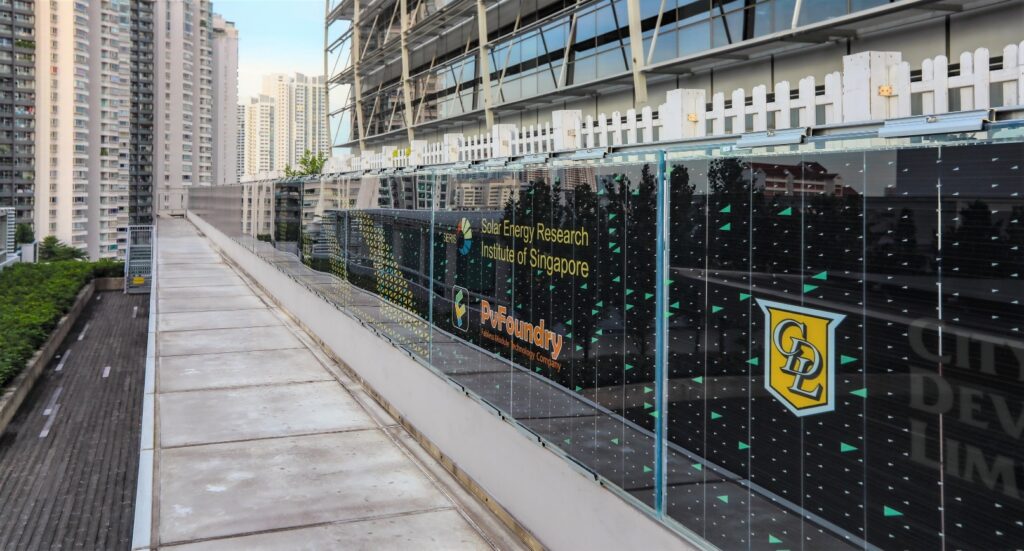
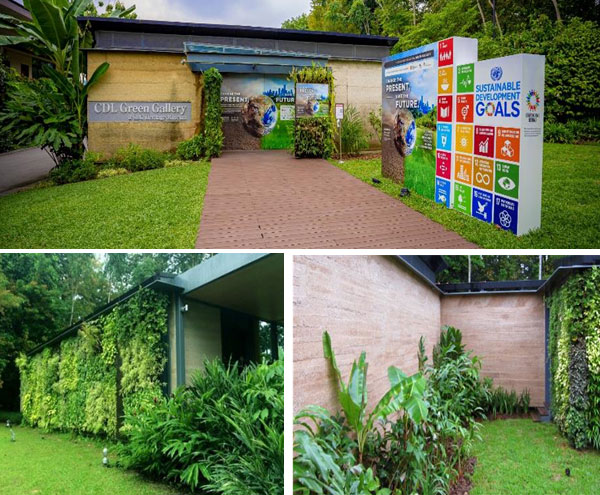
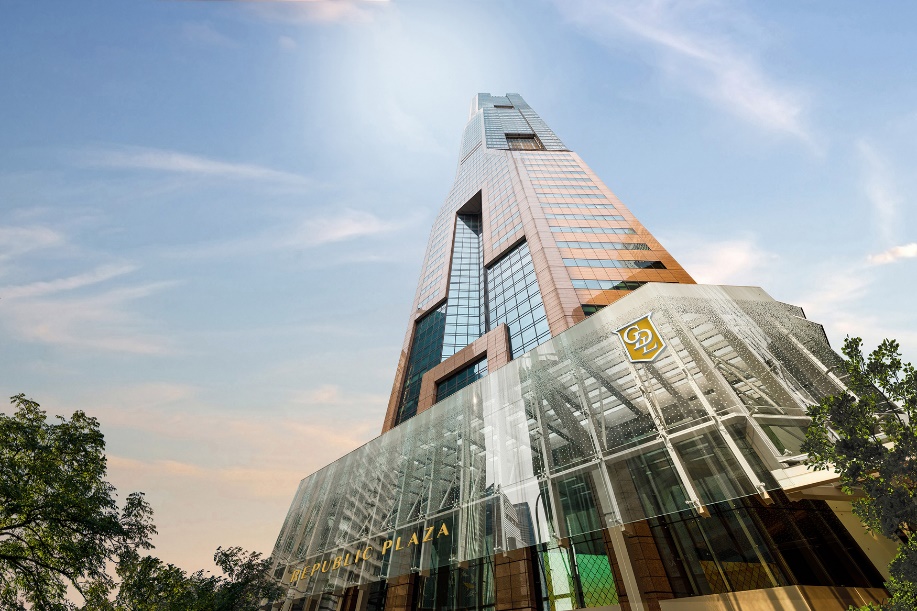
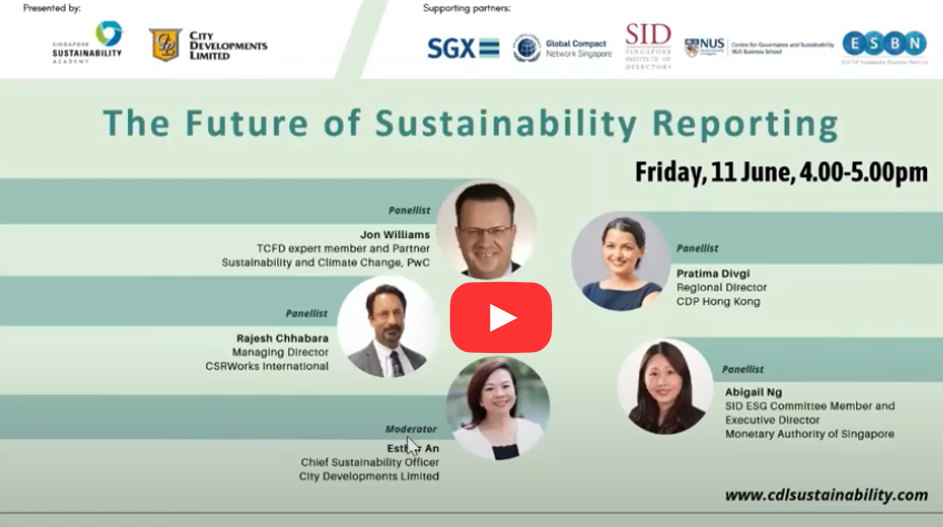
Following the ESG webinar jointly presented by DFIN (Donnelley Financial Solutions), SGX RegCo and industry leaders in October 2020, DFIN’s John Truzzolino, Director of Corporate Governance Services continued the dialogue with Esther An, Chief Sustainability Officer of City Developments Limited (CDL). Esther is an active advocate for green building and sustainability, she spearheaded the publication of the first sustainability report using GRI standards in Singapore in 2008. Today, CDL is ranked as a top real estate company on the Global 100 Most Sustainable Corporations in the World 2020 list.
Watch the full interview to learn more about CDL’s sustainability journey, and hear Esther’s suggestions to businesses on driving preparedness for climate change, improving investor communications and creating decision-useful disclosures in the post-pandemic era.
The physical impacts of climate change on the built environment are becoming more significant and have the potential to be extremely costly. With their locations fixed, buildings themselves may be at risk of suffering significant damage costs from climate change impacts. More so, buildings are often energy-intensive to build and operate. They are responsible for over a third of global final energy consumption and CO2 emissions, with operational emissions mostly through space heating and cooling, and water heating (IEA, 2019). MSCI’s scenario analysis for commercial and residential real estate enables investors and real estate managers to evaluate both transition and physical climate-related impacts in their portfolios.
Find out more about MSCI Real Estate Climate Value-at-Risk solution 这里