- 香港房地产投资信托基金在2月份表现最佳。
- 中国大陆是香港地区出境资本的最大来源地,为63亿美元。


Connect with us on
Connect with us on
For over two decades, CDL has been managing our business with the triple bottom line in mind – People, Planet and Profits, which are intricately linked for our long-term viability and growth. Besides upholding CDL’s track record in ESG integration, we continually innovate, invest and improve our six capitals to be future-ready. Today, the urgency for …
For over two decades, CDL has been managing our business with the triple bottom line in mind – People, Planet and Profits, which are intricately linked for our long-term viability and growth. Besides upholding CDL’s track record in ESG integration, we continually innovate, invest and improve our six capitals to be future-ready.
Today, the urgency for decisive leadership, strong collaboration and financing to enable climate action is clear. At CDL, we are strongly committed to be a catalyst of change to achieve the UN Global Goals for sustainability. 2019 will be a year that sees further acceleration of our goals and initiatives for a sustainable future, as we pursue CDL’s vision of Building Value for Tomorrow, Today.
This Report contains a full year’s data from 1 January to 31 December 2018 and focuses primarily on operations owned and managed by CDL’s Singapore headquarters, excluding that of our subsidiaries. The scope covers our principal business as a real estate management and development company, comprising operational functions such as asset management of commercial and industrial developments, our corporate headquarters in Singapore as well as project development. In 2018, property development was the main contributor to CDL’s pre-tax profit.
The private real estate industry entered Q2 on the back of the best opening quarter in recent history. Both capital raised and deal flow were strong, and helping to drive investor appetite was the fact that distributions continued to exceed capital calls by a significant margin, demonstrating that the late cycle concerns were merely about perspective. Yes, to invest in this environment still presents significant challenges when valuations are continuing to rise, but many funds are sitting on record levels of dry powder, which means not only can they act quickly but can also effectively drive negotiations for attractive assets. For those that are ready to dispose of property, the demand is there from a wide variety of participants both locally and internationally.
So…
The private real estate industry entered Q2 on the back of the best opening quarter in recent history. Both capital raised and deal flow were strong, and helping to drive investor appetite was the fact that distributions continued to exceed capital calls by a significant margin, demonstrating that the late cycle concerns were merely about perspective. Yes, to invest in this environment still presents significant challenges when valuations are continuing to rise, but many funds are sitting on record levels of dry powder, which means not only can they act quickly but can also effectively drive negotiations for attractive assets. For those that are ready to dispose of property, the demand is there from a wide variety of participants both locally and internationally.
So, has this momentum continued into Q2? In a nutshell, no. Both fundraising and deal flow are not only down on Q1 results but are also relatively weak compared to recent quarterly levels. Even without the level of $1bn+ fundraises we saw in Q1, the average fund size remained high – a reflection of the bifurcation of the fundraising market. Further illustrating this point – despite the decline in aggregate deal value – Blackstone were able to close a deal on Gramercy Property Trust for $7.6bn, representing 12% of the total quarterly value.
In yet another display of Asia’s dynamism, 2017 ended with a flurry of activity across the region that showed few signs of abating as we entered the new year. While strength is broad-based across markets and sectors, the office segment in the key markets of Hong Kong, Shanghai and Singapore has been a particular focus for investors, reflecting an improving business outlook on the back of a rebound in investment, trade and manufacturing.
The year gone by saw Residential Real Estate writing a new chapter in the history of evolution post critical regulatory reforms introduced in the previous years. Sales across key seven cities in 2018 were 42% higher vis-à-vis 2017 and launches grew by 53% compared to 2017.
While the region’s economy has faced some headwinds in 2018, the majority of real estate markets remain dynamic with investors and occupiers both continuing to be active. Heading into 2019, cooling measures, rising interest rates and slowing sentiment is likely to weigh on residential markets, while trade tensions could influence decision making for corporates looking at office space. Structural changes are also likely to continue as co-working and coliving become more commonplace across the APAC markets.
What’s next for Brisbane CBD?
Prime rents experience positive growth. Click on the Download button for more information on the:
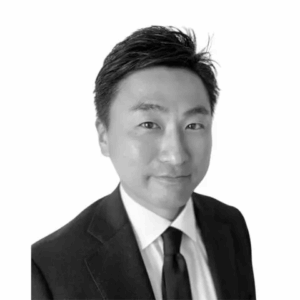
Kemmu Kawai joined Longevity Partners Japan in September 2022 as the Country Director. Based in Tokyo, he oversees all operations and activities in Japan, the Asia-Pacific region and beyond. He brings him more than 16 years of experience in finance where he specialised in real estate and credit investments. Before joining Longevity Partners, he served as a Portfolio Manager at Norinchukin Bank and as Investment Manager at Center Point Development.
Kemmu Kawai
Managing Director
Longevity Partners