




APREA was founded in 2005 at a pivotal moment for Asia’s capital markets. REIT regimes were emerging across Japan, Singapore, and Hong Kong, and institutional investors were beginning to recognise the region’s long-term potential. What was missing was a cross-border platform that could connect markets, advocate for sound regulation, and build investor confidence. APREA was established to fill that gap.
Launched by 11 founding members with the support of global industry bodies, APREA quickly positioned itself as a champion of listed real estate in Asia Pacific. From the outset, the association engaged regulators across Singapore, Hong Kong, Japan, Malaysia, China, and India, opening formal dialogues on REIT frameworks and market development. These early conversations helped shape regulatory clarity and investor protections that would underpin the region’s growth.
As REIT markets expanded across Asia, APREA grew with them. The company launched country chapters, convened conferences, and created platforms for global capital to engage directly with Asian opportunities. What began as a small industry initiative became a recognised regional voice. By the early 2010s, APREA was no longer simply advocating for REITs; it was helping define standards for governance, transparency, and performance across the sector.
Research and education became central pillars. APREA published reports quantifying the benefits of allocating to Asian real estate and developed handbooks on governance and sustainability. Our education initiatives strengthened professional standards and deepened market expertise. The association’s work during this period laid the institutional foundations for Asia Pacific real estate to be viewed not as an emerging niche, but as a core global allocation.
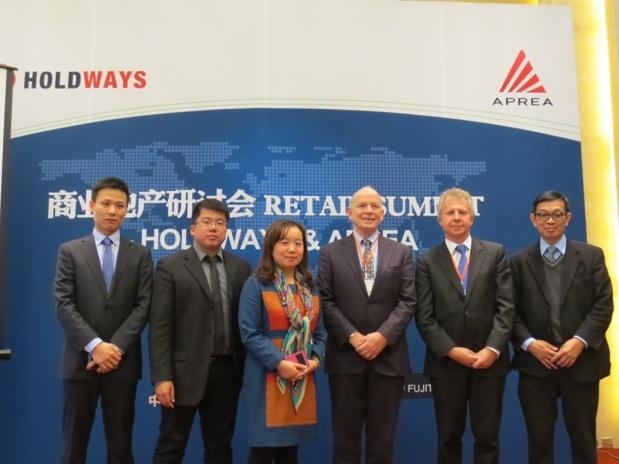


As the region’s capital markets matured, APREA expanded its mandate. The association broadened its focus beyond listed real estate to encompass the entire value chain, bridging public and private markets. APREA's membership grew and our events began attracting senior investors, policymakers, and corporate leaders from across the globe.
APREA strengthened its governance and research capabilities. It invested in policy advocacy, working closely with regulators to refine REIT regimes and promote best practices. Its influence extended to markets that were still developing their frameworks, including India and China. By supporting governments with research and global perspectives, APREA contributed to the design of regulatory environments that balanced investor protection with market growth.
By the mid-2010s, Asia Pacific real estate had stepped onto the global stage. Capital allocation to the region was accelerating, and institutional investors were increasingly seeking exposure to its demographic strength, urbanisation trends, and economic resilience. APREA’s role evolved accordingly: from industry promoter to regional authority


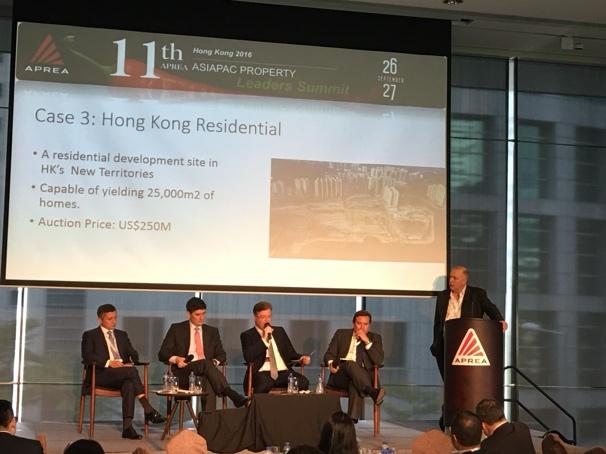
Between 2014 and 2019, the industry underwent profound change. Technology began reshaping asset management and building operations, while sustainability moved from specialist concern to mainstream priority. APREA responded by placing digital innovation and ESG at the centre of its agenda.
Through workshops, research, and specialist committees, APREA helped members understand and apply new technologies, from smart building systems to data-driven asset monitoring. Digital transformation was framed not as a peripheral trend, but as a performance imperative.
Policy advocacy continued to deliver tangible impact. In India, sustained engagement supported the development and listing of the country’s first REIT in 2019 and strengthened its InvIT ecosystem. In China, dialogue with regulators contributed to the eventual launch of infrastructure-focused C-REITs in 2021. Across markets, APREA promoted two-way learning, facilitating the exchange of ideas between Asia and global capital markets.
Strategic alliances with international partners deepened cross-border collaboration, while internal committees elevated standards on disclosure, tax harmonisation, and ESG reporting.



In 2020, APREA rebranded as the Asia Pacific Real Assets Association. This marked a decisive expansion in scope, reflecting investor demand for exposure not only to real estate, but to infrastructure and other real asset classes that underpin economic growth.
In the years that followed, APREA continued to champion policy reform and market development. In India, advocacy contributed to regulatory adjustments that enhanced flexibility for REIT and InvIT structures. In China, support for infrastructure REITs helped open new channels for public capital into logistics and industrial assets. Across Asia Pacific, APREA advanced sustainability through practical playbooks and ESG frameworks that strengthened transparency and accountability. The Asia Pacific Real Assets Leaders’ Congress emerged as the region’s flagship industry gathering, reinforcing APREA’s role as a trusted convener of investors and key decision-makers.
Today, APREA stands as a regional platform connecting institutional investors, asset managers, fund managers, REITs, developers, family offices, and policymakers. Our track record spans regulatory advocacy, research leadership, championing sustainability, and providing a platform for the investment ecosystem.
From its origins as a promoter of listed property markets to its current role as a champion of real assets across Asia Pacific, APREA has consistently aligned policy, capital, and opportunity. The mission remains clear: to support the growth of resilient, transparent, and globally competitive real asset markets across the region.